
Plans
The print files, the build guide and the autopilot setup. You print it and source the parts.
 Get updates
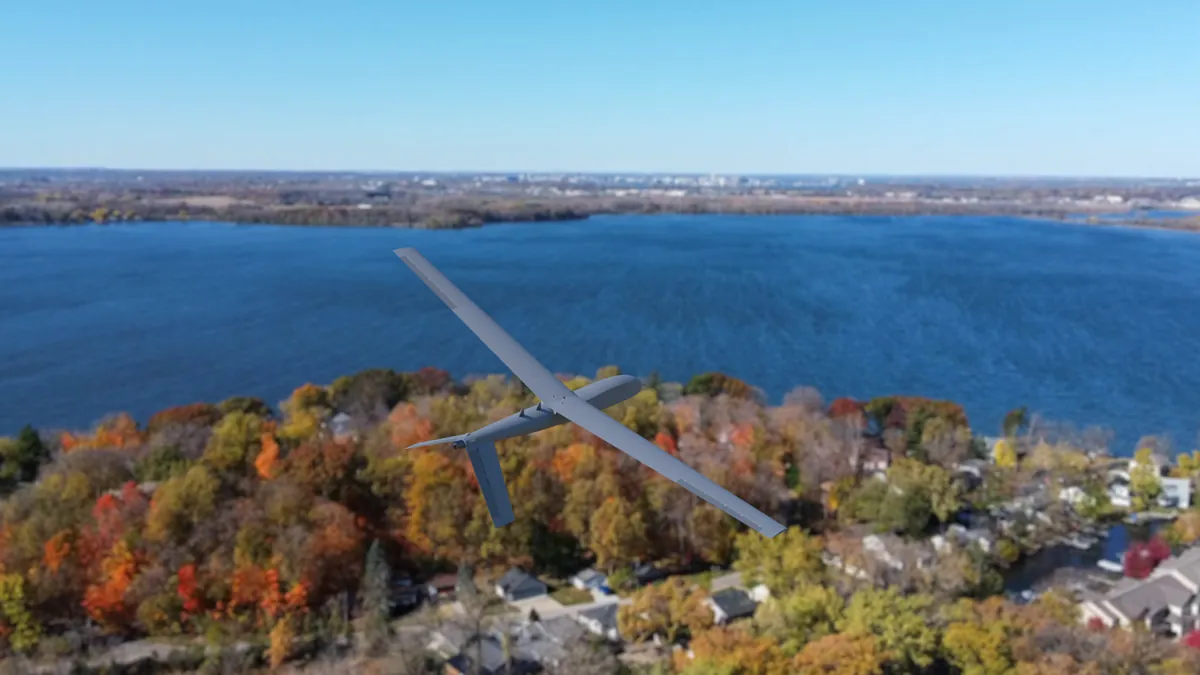
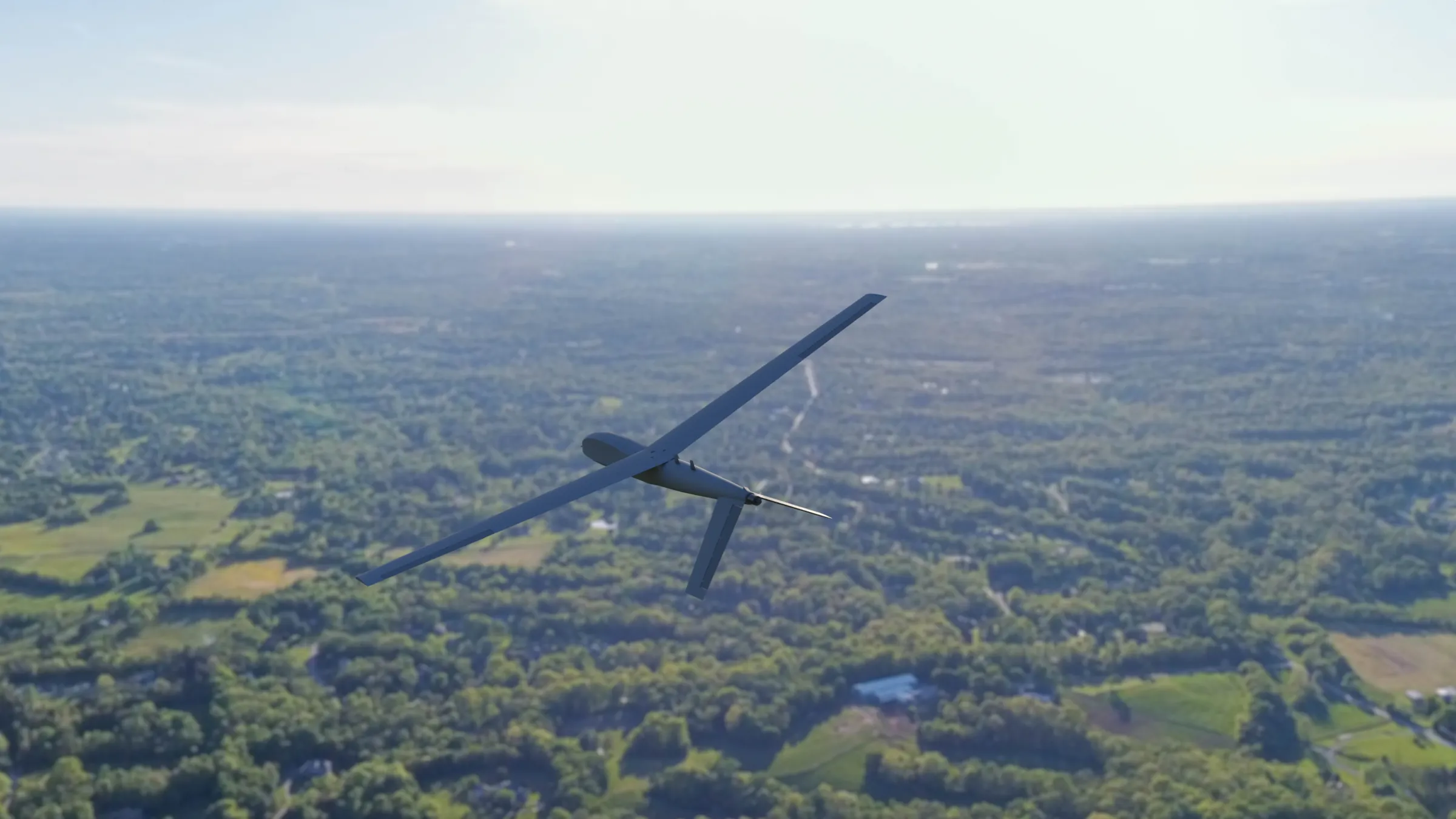
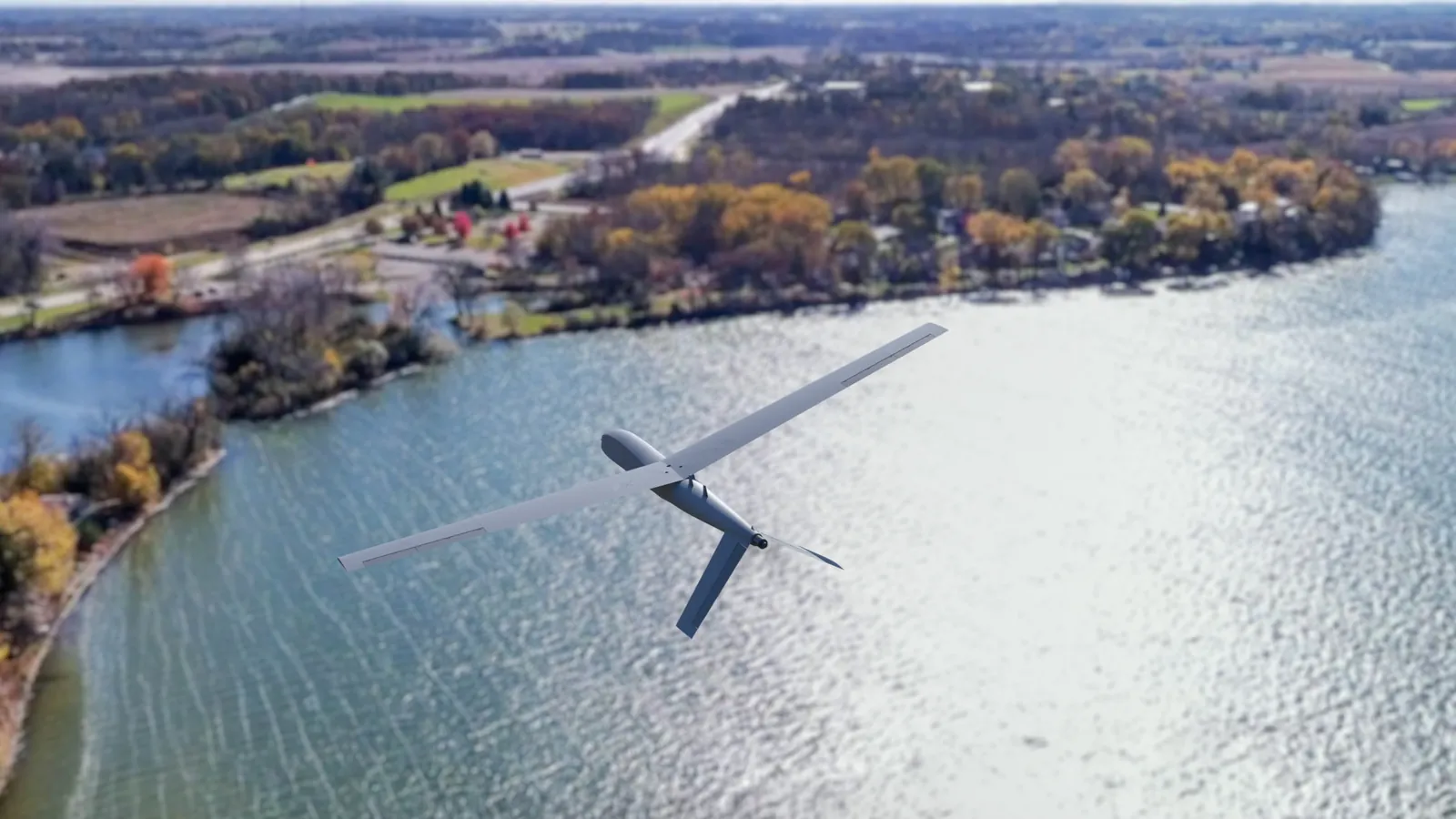
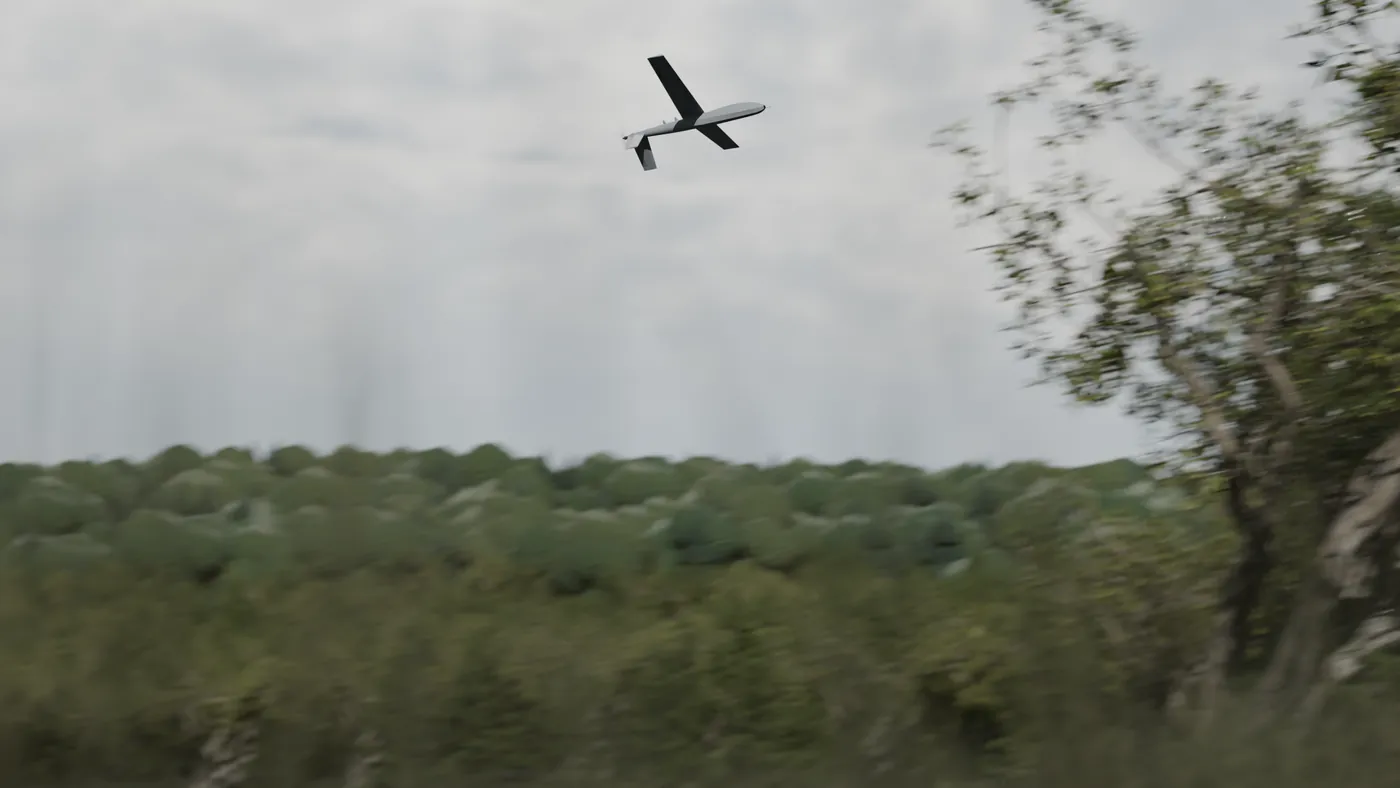
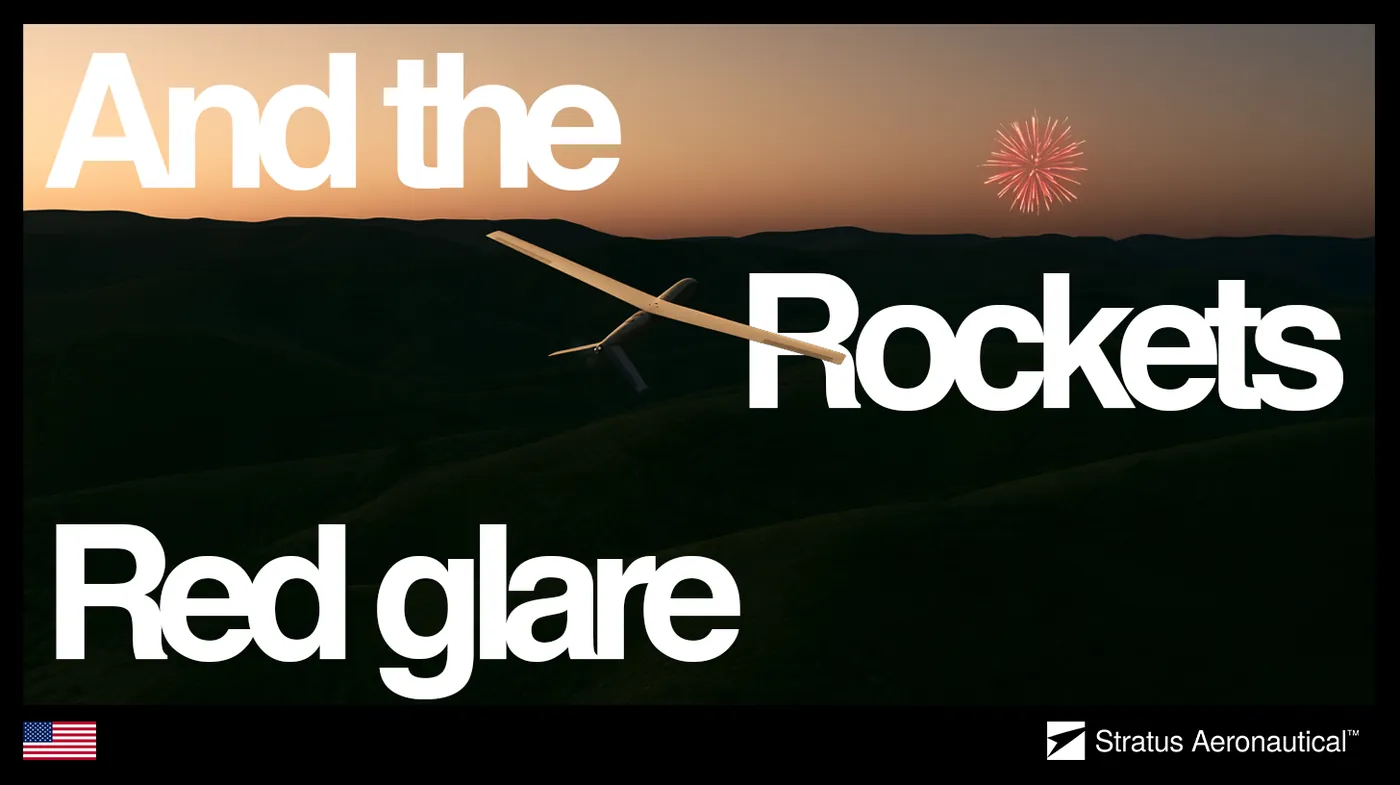
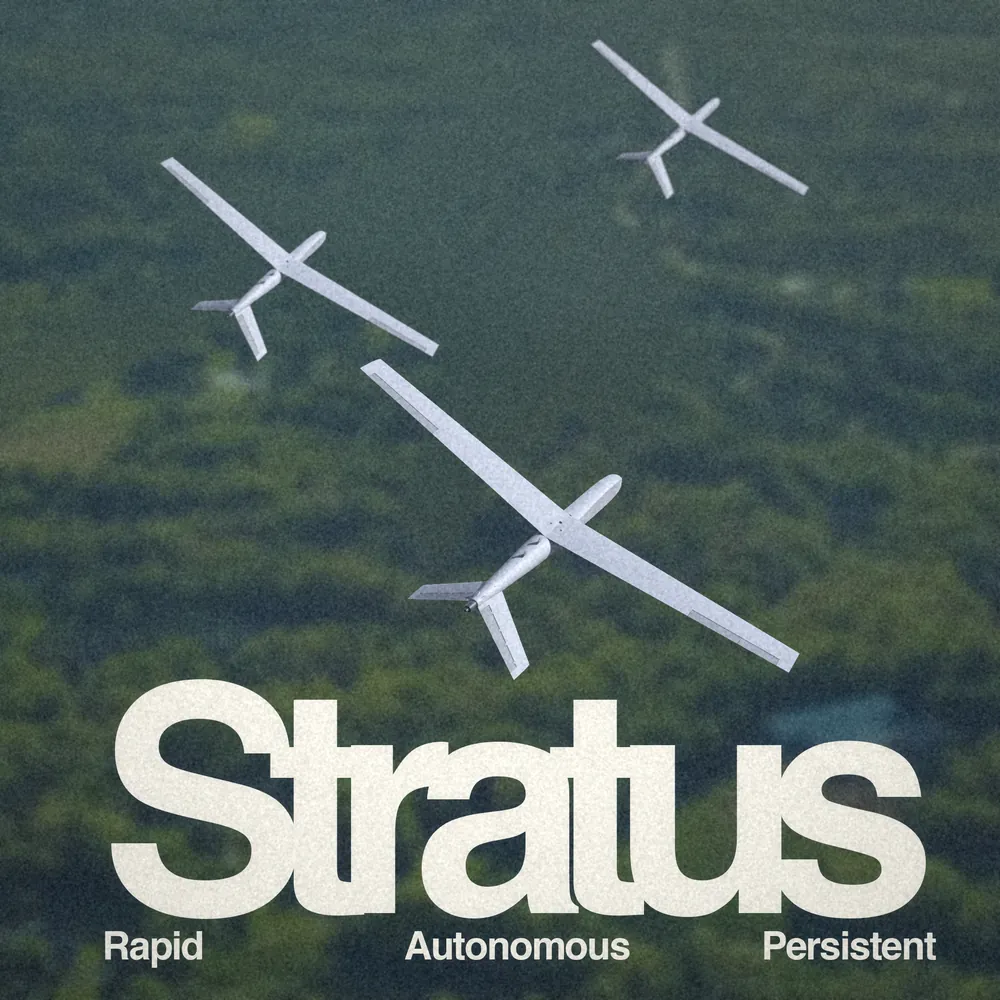
A two-metre pusher that you print, wire and fly yourself. It launches off a bungee, flies a survey on its own, and comes home. Built for hours in the air, not minutes.
↓
Design values. Flight tests will confirm them.
What it's for
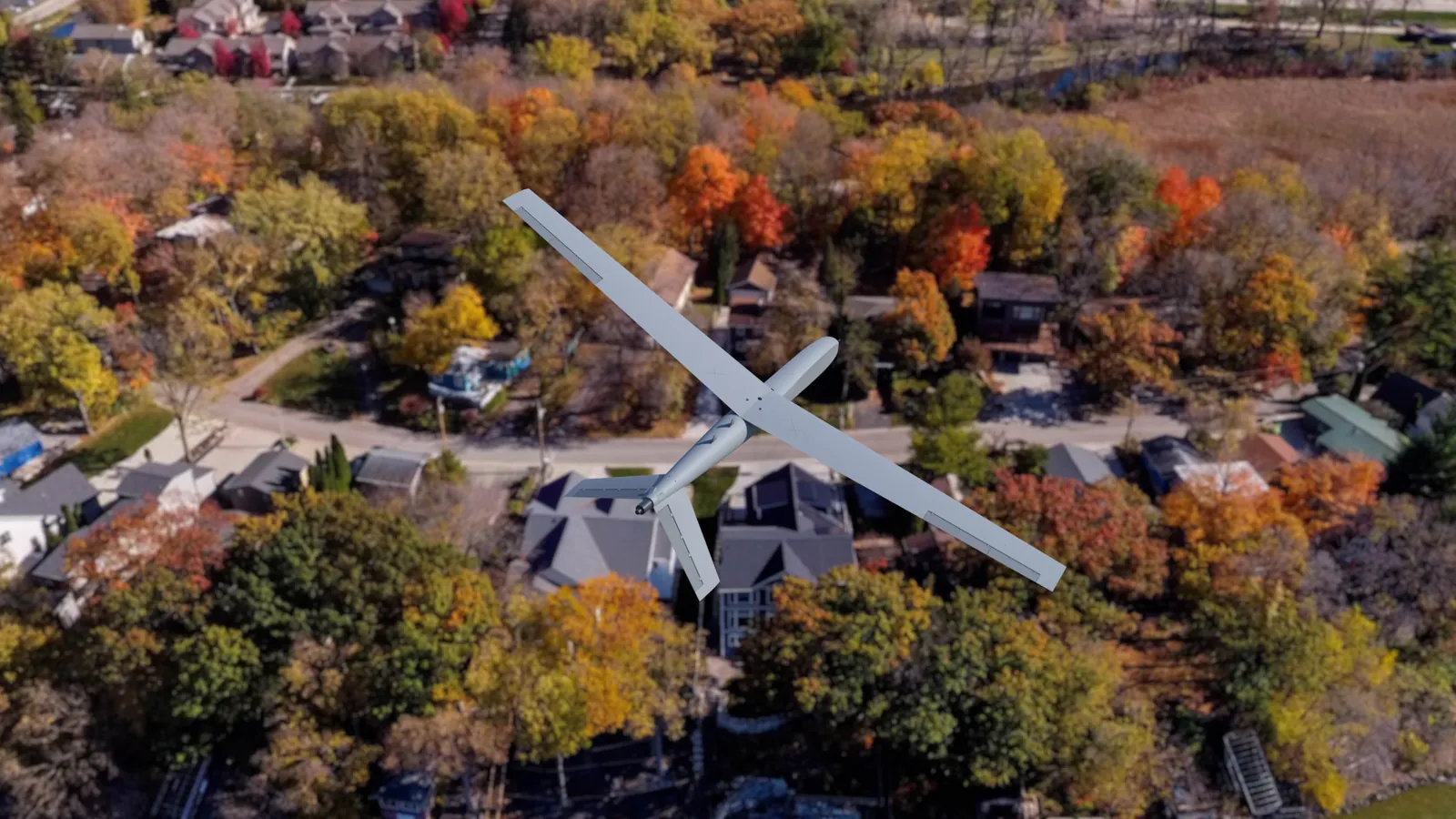 SurveyMapping runs over fields, shores and towns, with a downward camera behind a belly window.
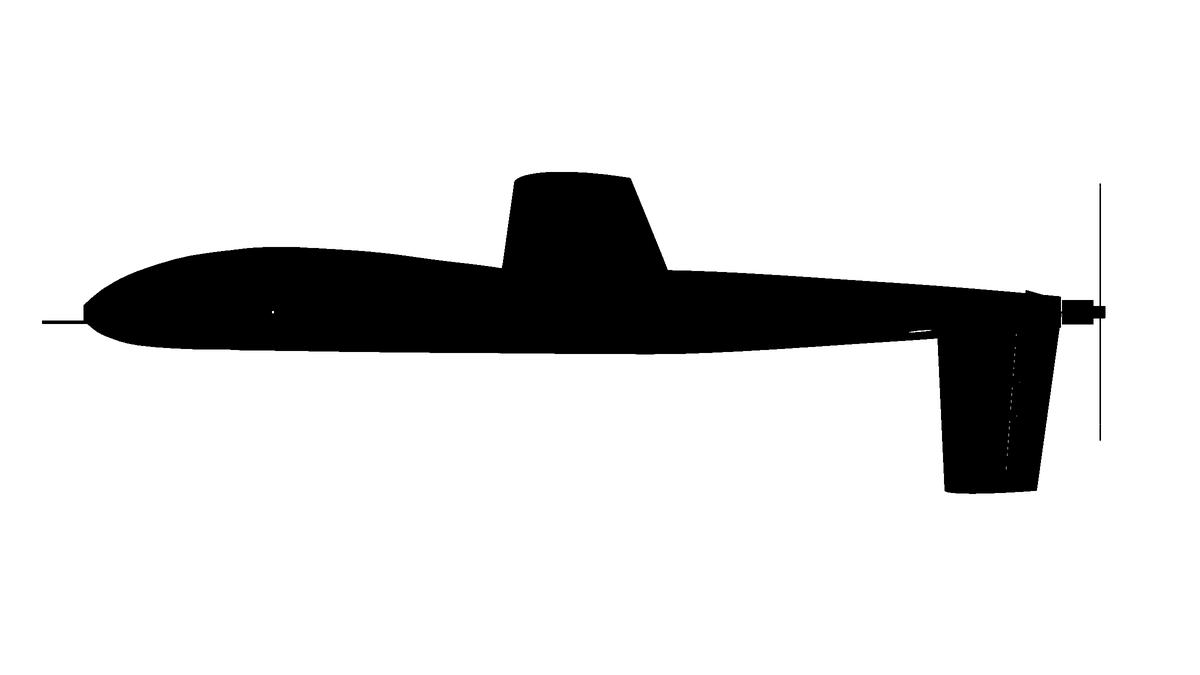
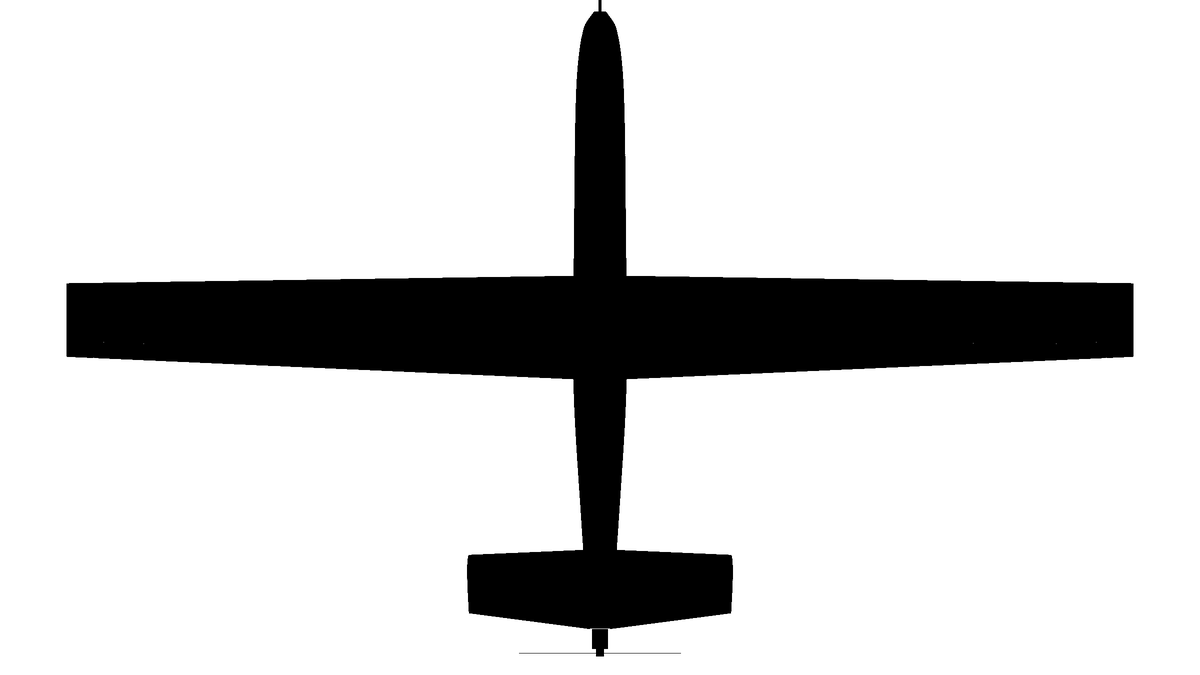
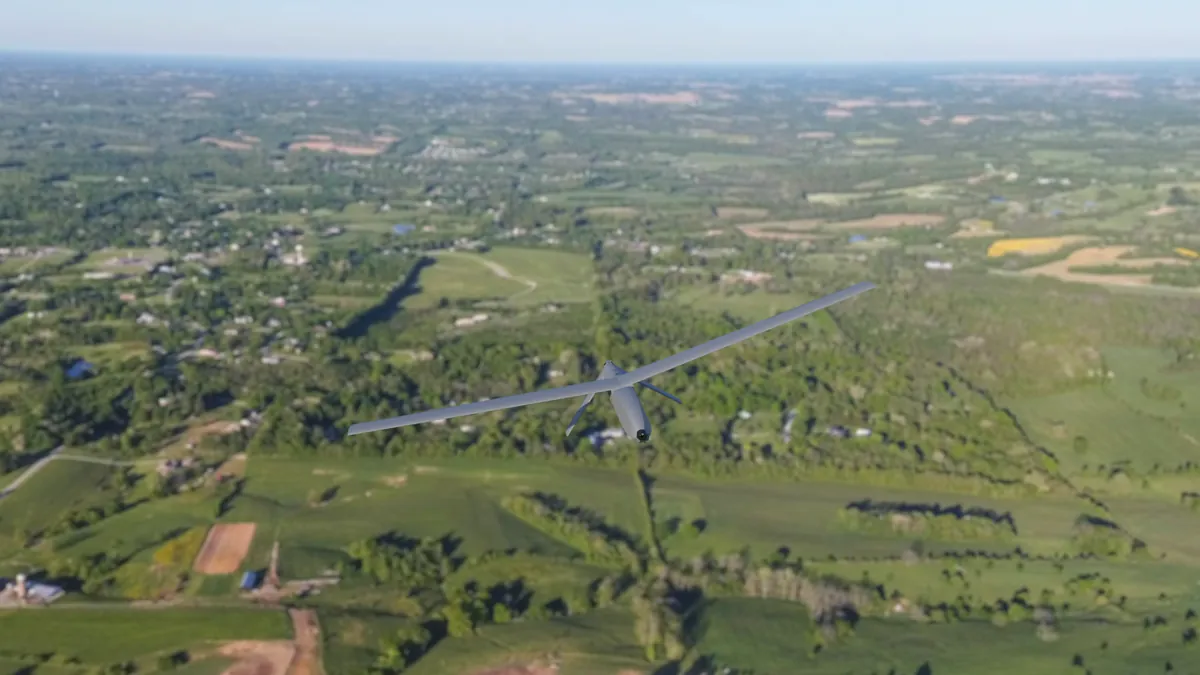 EnduranceA long thin wing and a slow cruise, sized for over an hour aloft.
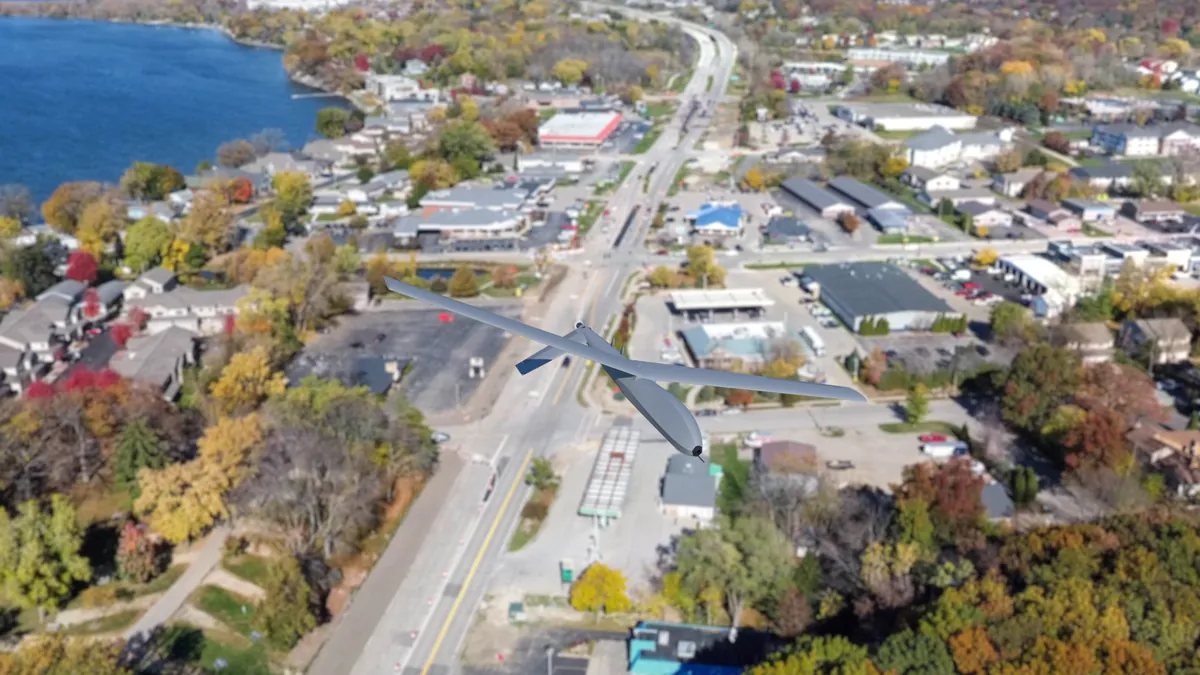 FPVA camera in the nose for flying by eye, with the autopilot behind you.
 AutonomyAn open platform for trying new autonomy, from waypoints to a companion computer.
Printed airframe
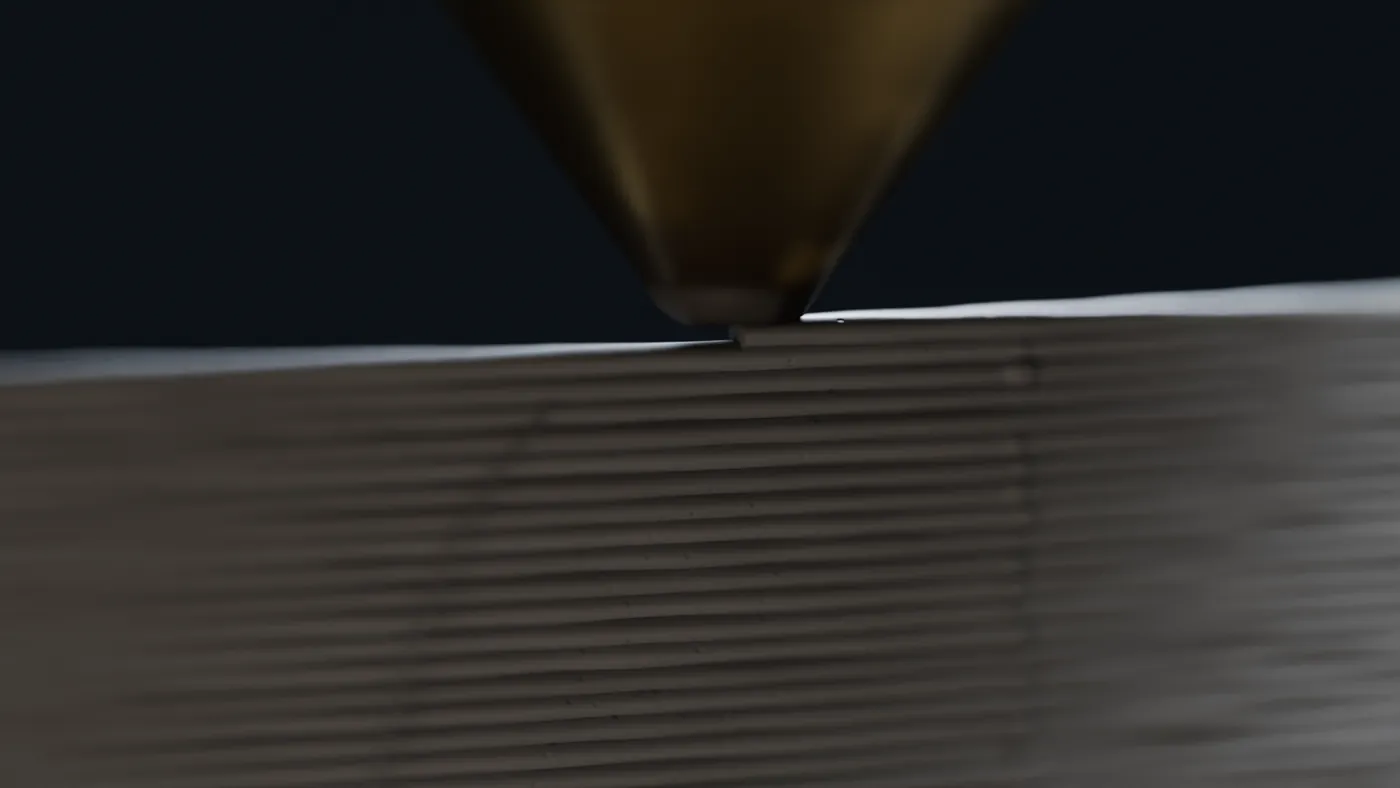
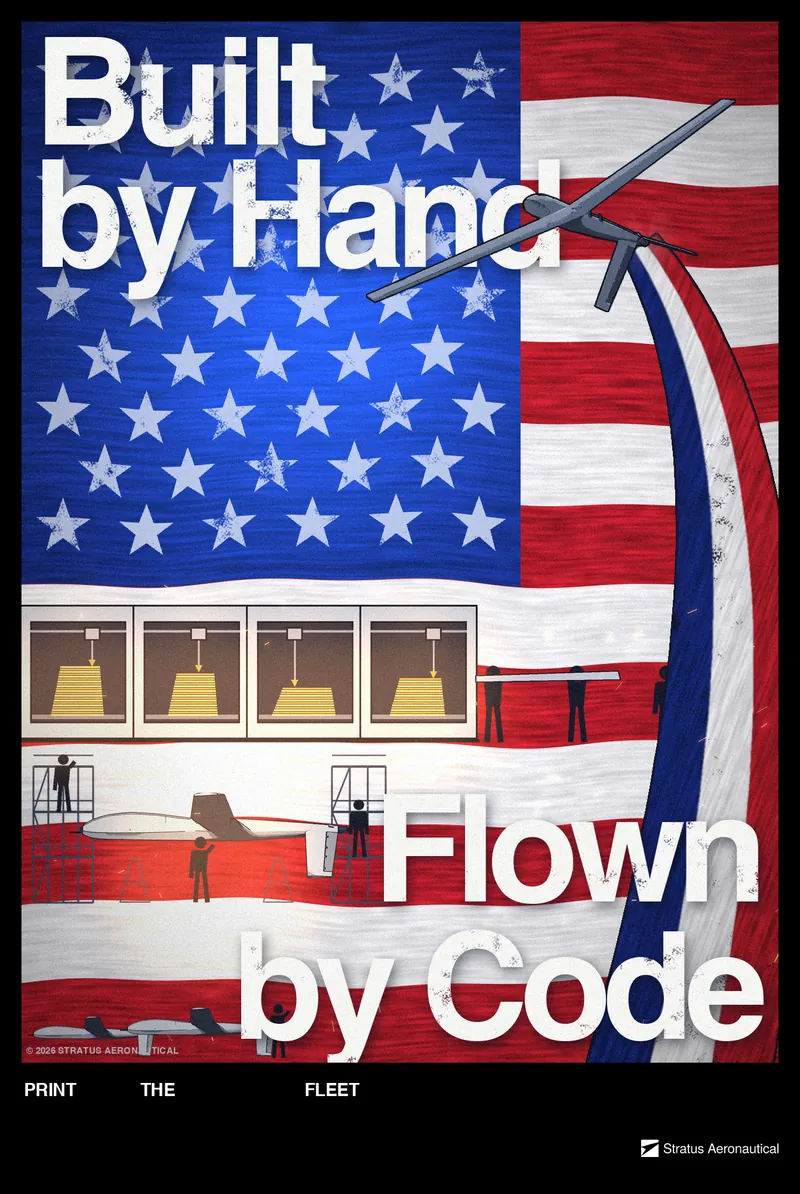
Every section fits a 256 mm print bed. Skins and webs are lightweight foaming PLA over carbon spars. Break one, print one.
Pusher layout
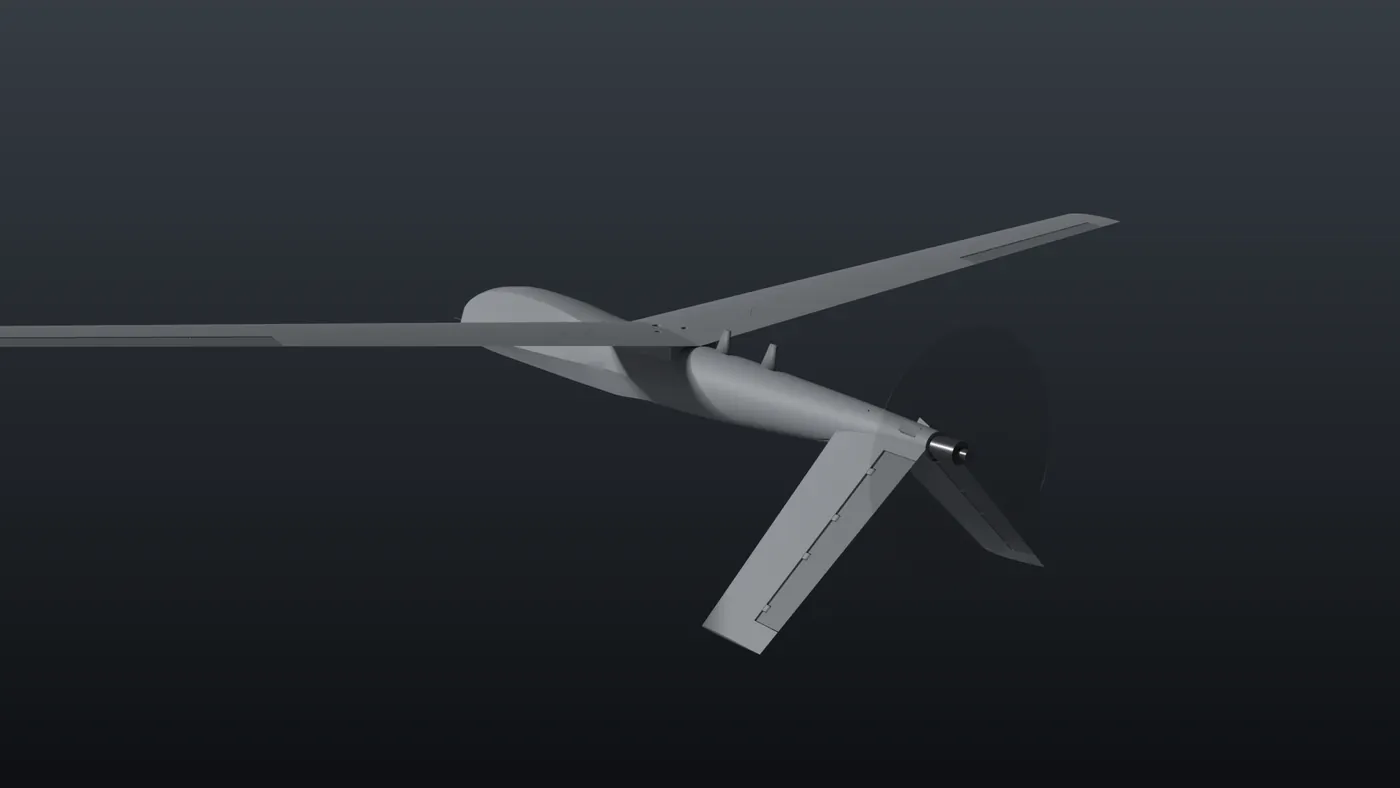
The motor sits at the tail, so the nose is free for cameras and the prop stays out of the picture. The inverted V tail guards the prop on a belly landing.
Open autopilot
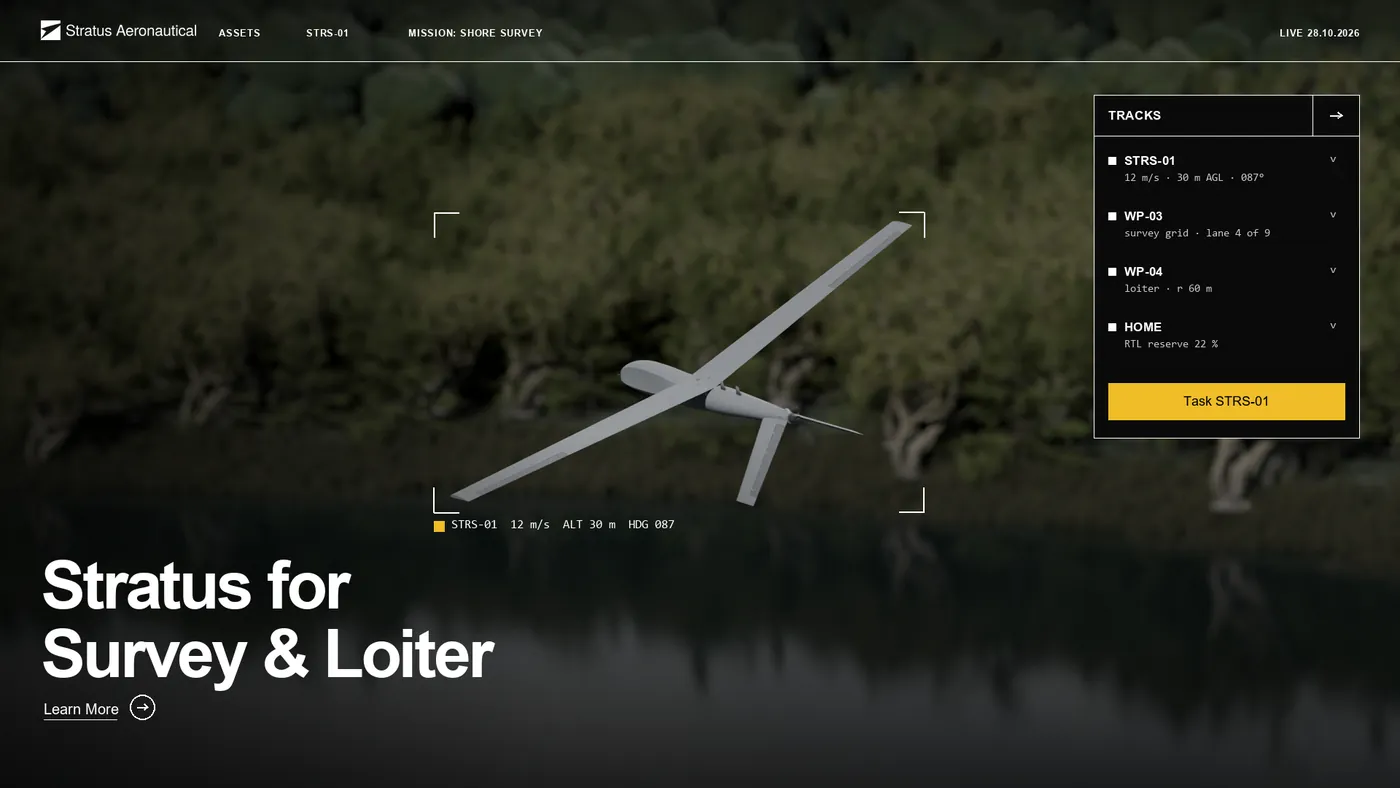
ArduPilot flies it: missions, return to home, and failsafes for radio loss, low battery and a geofence. Every failsafe is tested in simulation before it flies.
Bungee launch
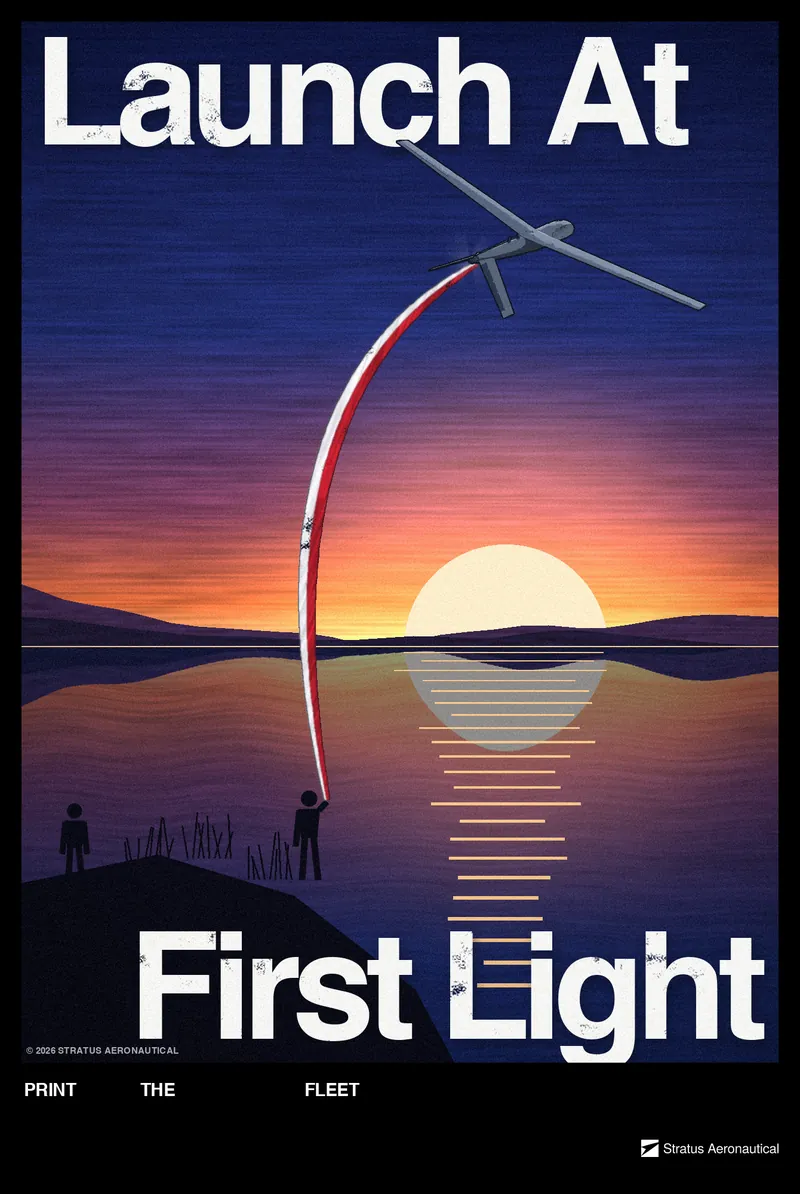
A bungee throws it off the shore and it climbs away slowly. No runway, no hand-launch scramble. It lands on its belly.
Scroll →

Stratus-1 has not flown yet. Every number on this page is a design value until flight tests prove it, and we'll post those results here.
If it flies well. Not for sale yet.
The print files, the build guide and the autopilot setup. You print it and source the parts.
Printed parts, spars and hardware in a box. You add the electronics you choose.
Assembled, set up and checked. Charge it and fly.